Menu
close
Every restaurant operator in Reno eventually faces the same uncomfortable decision: a critical piece of equipment breaks down during service, and the question of whether to repair it again or replace it altogether cannot be avoided any longer. That decision carries real financial consequences either way, and making it based on instinct or habit rather than a clear framework tends to produce outcomes that cost more in the long run. C&C Refrigeration has been helping Reno-area restaurants navigate these decisions for 35 years as a veteran-owned, family-operated commercial refrigeration and kitchen equipment service company. This guide outlines the key factors that should inform the repair versus replace decision across walk-ins, ice machines, and hot side equipment.
The 50% rule is one of the most practical frameworks available for making repair versus replace decisions on commercial kitchen equipment. The principle is straightforward: if the cost of a repair exceeds fifty percent of the replacement cost of the equipment, replacement is generally the more financially sound choice. This threshold exists because a repair at that cost level typically signals that the equipment is in a broader state of decline, and additional repairs are likely to follow rather than representing a one-time expense. Paying sixty or seventy percent of replacement cost to extend the life of aging equipment by another year or two rarely produces a favorable return when the total cost picture is considered.
The 50% rule works best as a starting point rather than an absolute answer, because it needs to be applied alongside other factors specific to the equipment and the operation. A walk-in cooler that holds product critical to food safety deserves more conservative decision-making than a piece of hot side equipment that has a workaround available during a repair window. An ice machine serving a high-volume bar operation has a different failure cost profile than one serving a small dining room. C&C Refrigeration conducts on-site assessments that help restaurant equipment reno operators apply this framework with the full context of their specific situation rather than working from general rules alone.
Parts availability is another variable that intersects with the 50% rule in important ways. Equipment that is old enough that replacement parts are difficult to source, have extended lead times, or are only available from specialty suppliers introduces an additional cost and risk factor beyond the repair estimate itself. A repair that looks financially acceptable on paper can become a much larger problem if the part takes three weeks to arrive and the restaurant cannot operate that equipment in the meantime. C&C Refrigeration's 35 years of experience in the Reno commercial kitchen and refrigeration market means the team understands which equipment generations are approaching parts obsolescence and can factor that reality into a replacement recommendation.
Reactive maintenance, where equipment gets attention only after it fails, consistently costs more than planned maintenance over any reasonable timeframe. A general benchmark for restaurant equipment maintenance budgeting is approximately 1.5 percent of annual sales allocated to repairs and upkeep, which gives an operation the financial cushion to address issues before they become emergencies and to fund planned preventive service on high-priority equipment. Restaurants that operate without a maintenance budget tend to make repair versus replace decisions under financial pressure rather than based on sound analysis, which often leads to spending money keeping failing equipment alive longer than it warrants. Building the maintenance line into the operating budget creates the conditions for better decisions.
Walk-in coolers and freezers deserve a disproportionate share of a maintenance budget's attention because their failure consequences extend beyond repair costs to include spoiled inventory and food safety liability. A walk-in that runs slightly warmer than it should for weeks before the problem becomes obvious may be affecting product quality and safety without triggering a clear alarm. Scheduled service visits that include temperature verification, gasket inspection, condenser cleaning, and refrigerant checks catch these slow-developing problems before they become acute failures. C&C Refrigeration provides commercial refrigeration service for Reno restaurants with the kind of systematic inspection approach that preventive maintenance requires.
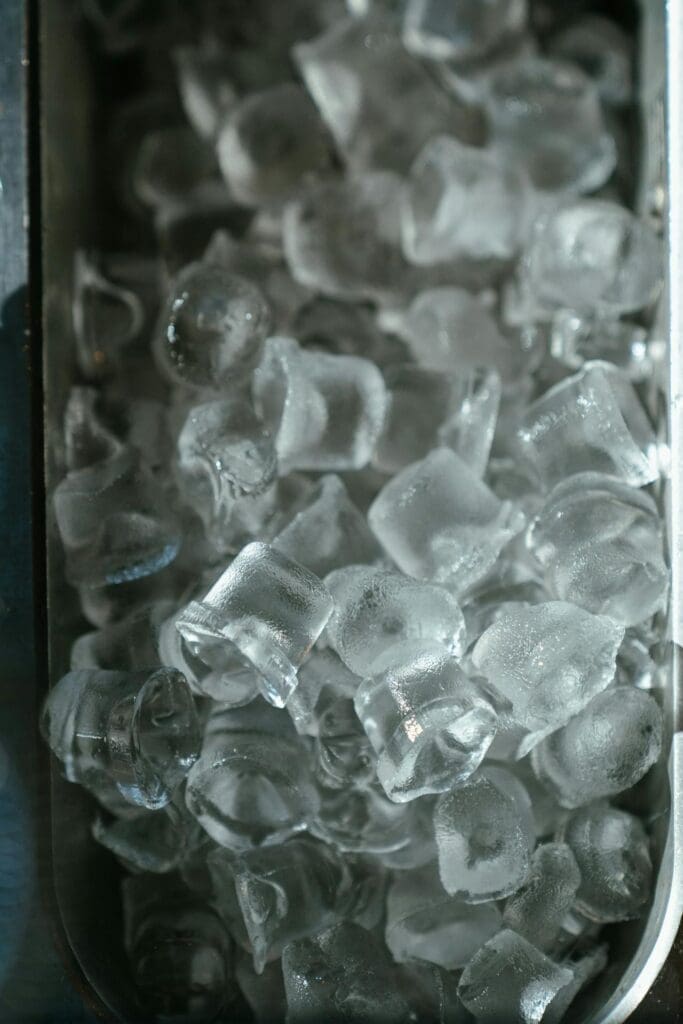
Ice machines represent another category where preventive maintenance pays consistent dividends. Scale buildup, worn water filters, deteriorating distribution tubes, and contaminated bin environments all affect ice quality and machine longevity in ways that accelerate when the machine operates continuously without scheduled attention. A restaurant equipment reno operator who schedules regular ice machine service typically extends the life of the unit, maintains consistent ice production volume, and avoids the food safety compliance issues that arise when ice machine sanitation is neglected. The maintenance investment is modest relative to the cost of an emergency replacement or the liability associated with an ice machine-related health inspection finding.
The efficiency gap between a ten or fifteen year old piece of commercial kitchen equipment and its current replacement is often larger than operators expect when they are focused primarily on the repair cost sitting in front of them. Modern commercial refrigeration units, ice machines, and hot side equipment are designed to operating standards that older equipment cannot match, and the utility savings from that efficiency gap accumulate continuously across the operating life of the new equipment. A walk-in refrigeration system that runs more efficiently even by a modest percentage translates into measurable energy cost reduction over months and years. When that efficiency improvement is factored into the total cost comparison alongside the repair estimate, the case for replacement often strengthens considerably.
New equipment also resets the maintenance curve. A freshly installed unit begins its service life with all components in new condition, manufacturer support, and typically a warranty period that covers the highest-risk early failure scenarios. An older unit that has been repaired multiple times carries wear across multiple systems simultaneously, which means that repairing one component does not address the underlying condition of the others. Restaurant equipment reno operators who track their repair history often find that once a unit reaches a certain age, the frequency and cost of repairs begins to climb in a pattern that makes the cumulative maintenance cost comparison to replacement quite clear.
Safety and regulatory compliance provide an additional dimension to the replacement conversation that does not always surface in a purely financial analysis. Equipment that no longer meets current health code standards, produces inconsistent temperatures, or presents electrical or gas system concerns creates liability that extends well beyond the cost of the repair itself. A health inspection finding tied to equipment performance can affect a restaurant's operating status in ways that are far more costly than any equipment replacement. C&C Refrigeration helps restaurant equipment reno operators evaluate these compliance dimensions as part of a complete assessment rather than limiting the conversation to repair costs alone.
A walk-in cooler that fails on a Friday afternoon before a busy weekend does not simply create a repair bill. It creates an immediate product safety decision, a potential inventory loss, a service disruption that affects the kitchen's ability to operate normally, and a scramble to source temporary refrigeration or adjust the menu around what can be safely served. The revenue impact of that kind of downtime, when calculated across the hours or days it takes to restore full operation, frequently exceeds the cost of the repair itself. C&C Refrigeration offers 24/7 service availability and typically responds within 48 hours, which helps minimize the duration of these disruptions for Reno-area restaurant operators.
Hot side equipment failures during peak service periods carry their own downtime cost profile. A fryer, grill, or oven that goes down during a dinner rush forces immediate menu adjustments, affects ticket times across the kitchen, and can require turning away orders or customers if the failure removes a critical cooking method from service. Repeated failures of the same equipment compound this impact because the kitchen crew begins to anticipate unreliability and adjust workflow in ways that reduce overall efficiency even when the equipment is technically functioning. Tracking the frequency of hot side equipment failures over time gives operators a more accurate picture of the true cost of keeping aging equipment in service.
The staffing dimension of equipment downtime is often underweighted in repair versus replace discussions. When equipment fails, kitchen staff spend time working around the failure, managers spend time coordinating the repair process, and the overall kitchen workflow absorbs disruption that affects morale and productivity beyond the immediate service period. A restaurant that experiences frequent equipment failures trains its team to expect unreliability, which has subtle effects on how the kitchen operates during normal service conditions. C&C Refrigeration's combination of preventive maintenance services and responsive repair support is designed to help Reno restaurant operators reduce the frequency of these disruptions rather than simply responding to them after they occur.
The repair versus replace decision for restaurant equipment in Reno requires a clear framework, honest cost accounting, and an understanding of how each option affects operations over time rather than just at the moment of failure. The 50% rule provides a reliable starting point, maintenance budgeting creates the conditions for better decisions, and the efficiency and reliability advantages of newer equipment deserve full consideration alongside the immediate repair cost. C&C Refrigeration brings 35 years of commercial refrigeration and kitchen equipment experience to these assessments for Reno-area operators, with 24/7 service availability and the technical depth to evaluate walk-ins, ice machines, and hot side equipment with equal competence. Restaurant operators ready to discuss a specific piece of equipment or schedule a preventive maintenance visit can reach C&C Refrigeration by phone or through our website.
Choosing the right refrigeration equipment in Reno is pivotal for the success of any restaurant. It’s not just about keeping your ingredients fresh; it’s about enhancing operational efficiency, ensuring food safety compliance, and minimizing waste. In Reno, where the culinary scene is as diverse as its landscape, having the right refrigeration solutions can set your restaurant apart. C & C Refrigeration is here to guide you through selecting the perfect refrigeration units that meet the specific needs of your restaurant.
Refrigeration equipment comes in various forms, each suited to different types of food service operations. Reach-in coolers are versatile and ideal for kitchens with limited space, offering easy access to ingredients. Walk-in coolers cater to establishments with larger storage needs, providing ample space for bulk ingredients. Undercounter units are perfect for bars and compact kitchens, maximizing space without compromising on cooling efficiency. Then there are specialty refrigeration units, like wine coolers and blast chillers, designed for specific uses that can enhance the quality and safety of your specialty items.
Each type of refrigeration unit serves a unique purpose. For instance, a bustling pizzeria might benefit from an under counter unit for easy access to toppings, while a fine dining restaurant might invest in a high-quality wine cooler to preserve its extensive wine collection. Understanding your restaurant’s specific needs is the first step in choosing the right equipment restaurant in Reno.
Selecting the right refrigeration unit goes beyond just picking a model. It requires a deep understanding of your restaurant’s operations, menu, and growth plans. Consider the volume of food you need to store, the types of ingredients you use, and how often you receive deliveries. These factors will influence whether you need a larger walk-in cooler or multiple reach-in units scattered throughout your kitchen.Additionally, the layout of your kitchen and dining space plays a crucial role. Efficiently placed refrigeration units can improve workflow, reduce labor costs, and enhance customer service by ensuring that ingredients are fresh and accessible.
Energy efficiency is not just a buzzword; it’s a crucial factor in reducing operating costs and supporting environmental sustainability. Opting for ENERGY STAR-rated appliances can significantly lower energy bills and reduce your carbon footprint. These models are designed to use less electricity while maintaining optimal performance, proving that you can save costs without compromising on quality.
Investing in energy-efficient restaurant equipment is also a forward-thinking move. As energy prices fluctuate, having appliances that minimize energy use can help stabilize your restaurant's operating costs, making financial planning more predictable.
The longevity of your refrigeration equipment depends on regular maintenance and timely repairs. Establishing a routine cleaning schedule, ensuring proper ventilation, and having regular professional inspections can prevent breakdowns and extend the life of your units. Being vigilant about signs of wear and tear, like inconsistent temperatures or unusual noises, can help you address issues before they escalate into costly repairs.
Remember, the goal is to ensure that your refrigeration equipment remains reliable and efficient throughout its lifespan, supporting your restaurant's operations without unexpected interruptions.
Choosing the right refrigeration equipment for your restaurant is a decision that affects not just the quality of your food but the overall success of your business. By considering the type of equipment, assessing your specific needs, focusing on energy efficiency, and committing to regular maintenance, you can make an informed decision that supports your restaurant’s growth and efficiency.
C & C Refrigeration is here to help you navigate these choices. With our expertise and wide selection of refrigeration solutions, we can assist you in finding the perfect fit for your establishment. Visit our website or contact us for a personalized consultation and explore how our products and services can meet your restaurant’s needs.