Menu
close
Effective cold storage is essential in commercial kitchen installations, where operational efficiency and food safety directly impact business success. Integrating refrigeration units within the kitchen layout optimizes workflow by ensuring cold storage is readily accessible to kitchen staff. Thoughtful planning of these units during installation enhances space utilization, energy consumption, and compliance with industry standards. For restaurant owners and facility managers preparing new kitchens or upgrading existing ones, understanding the benefits of integrated refrigeration is crucial to making informed decisions.
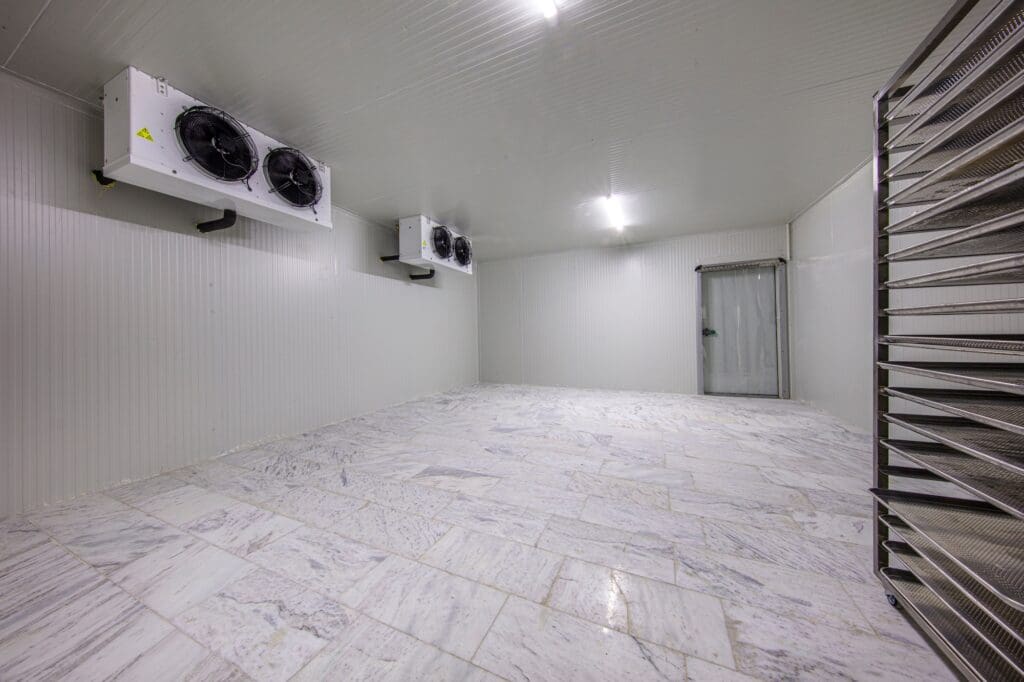
Integrating refrigeration units into high-access areas of a commercial kitchen significantly streamlines food storage. Positioning cold units close to prep stations and cooking zones reduces the time staff spend moving between storage and work areas. This proximity promotes a more efficient workflow by minimizing unnecessary steps and delays during busy service periods. Furthermore, placing refrigeration in strategic locations supports better organization, with ingredients grouped by frequency of use and temperature requirements. Planning refrigeration placement alongside kitchen layout design results in a cohesive environment that supports faster and more accurate food preparation.
Using integrated refrigeration units helps maximize kitchen space by utilizing available vertical and horizontal areas thoughtfully. For instance, undercounter refrigerators provide convenient cold storage without interrupting countertop workflows. Walk-in coolers can be situated to balance accessibility with spatial efficiency, avoiding overcrowding in critical work zones. This intentional configuration optimizes space utilization and creates a comfortable, uncluttered kitchen environment. Ultimately, well-placed refrigeration units support a smoother operational flow, reducing employee fatigue and improving service speed.
Strategic integration also contributes to reducing equipment redundancy, as tailored placement minimizes the need for multiple freestanding units. Instead of scattered refrigerators across the kitchen, integrated units enable centralized cold storage solutions that meet specific operational demands. This approach streamlines maintenance and allows for better control over inventory and stock rotation. A thoughtfully integrated refrigeration system, planned during the commercial kitchen installation phase, lays the foundation for a kitchen that runs efficiently and meets growing business needs.
Properly integrated refrigeration units play a pivotal role in maintaining ideal food storage temperatures, supporting compliance with health and safety regulations. Consistent temperature control reduces the risk of foodborne illnesses by preventing spoilage and bacterial growth. By placing refrigeration close to food preparation areas, kitchens can maintain strict temperature monitoring and rapid access for staff. This proximity decreases the chance of temperature fluctuations caused by prolonged exposure of ingredients outside cold storage. Integrated solutions help kitchens meet regulatory requirements more consistently.
Cross-contamination risks also lessen with correct integration of refrigeration units. Segregating raw from cooked foods through dedicated refrigeration zones supports safe food handling practices. Integrated units allow for clear separation and easy labeling, which improves staff awareness and adherence to safety protocols. This physical separation within the kitchen environment reduces the likelihood of allergens or pathogens transferring between food types. Efficient refrigeration design thus supports both operational safety and regulatory compliance.
Additionally, integrated refrigeration systems enable better airflow and temperature consistency compared to standalone units. Professional installation ensures that cooling performance meets or exceeds health code standards. Advanced features like digital controls and alarms can be incorporated into integrated units to alert staff when temperatures deviate from safe ranges. Such technical enhancements facilitate proactive maintenance and help avoid costly violations or shutdowns. Optimizing refrigeration integration during the commercial kitchen installation can safeguard food safety and protect business reputation.
Customized refrigeration options, including walk-in coolers, undercounter units, and modular systems, allow commercial kitchens to align cold storage with their unique volume and spatial requirements. Walk-in coolers provide extensive capacity for larger operations, accommodating bulk ingredient storage in one centralized location. These coolers can be designed with shelving and compartmentalization tailored to specific workflows, maximizing organization and retrieval efficiency. This customization helps restaurants maintain inventory accuracy and streamline stock management.
Undercounter refrigeration units offer flexible placement in smaller or more constrained kitchen spaces. They deliver cold storage exactly where it is needed most without compromising workspace or traffic flow. These units are ideal for quick access to frequently used ingredients during food preparation. Moreover, modular refrigeration systems can be expanded or reconfigured as business demands evolve, ensuring scalability without costly overhauls. This adaptability makes customized refrigeration solutions a smart investment for kitchens anticipating growth or menu changes.
Tailored refrigeration design also considers the energy efficiency and budget constraints of a facility. Selecting the right combination of refrigeration types avoids overspending on unnecessary capacity while meeting operational demands. Integration allows for more precise allocation of cooling zones, reducing energy waste and lowering utility costs. By consulting professionals experienced in commercial kitchen installations, businesses secure refrigeration systems that match both their functional needs and financial parameters.
Choosing experienced refrigeration professionals guarantees equipment performance, longevity, and energy efficiency in commercial kitchen installations. Skilled technicians assess a kitchen’s specific requirements and recommend equipment that offers optimal cooling performance and durability. Professional installation ensures that units are placed and connected correctly, minimizing breakdown risks and maximizing efficiency. This expertise extends to integrating controls and monitoring systems that support ongoing maintenance.
Regular service and support from refrigeration professionals protect a kitchen’s cold storage investment. Routine inspections and prompt repairs reduce downtime and prevent spoilage losses. Reliable vendors often provide warranties and emergency response, offering peace of mind to business owners managing high-stakes operations. Investing in professional installation and service mitigates the potential costs and disruptions of refrigeration failure.
Energy efficiency is also a key benefit of relying on experts for integration. Professionals specify equipment and configurations that optimize power consumption without compromising cooling quality. They implement solutions that comply with environmental guidelines and leverage the latest technologies for reduced operational costs. This combination of reliability, service, and efficiency helps commercial kitchens maintain consistent performance while managing budgets responsibly.
Integrated refrigeration units represent a critical component in streamlining commercial kitchen installations. Their strategic placement enhances workflow, supports stringent food safety standards, and adapts to the specific needs of each business. Leveraging customized refrigeration solutions and professional installation guarantees long-term reliability and energy efficiency. Businesses seeking to optimize their cold storage and kitchen operations benefit from early planning and expert guidance. To explore options and design a refrigeration system tailored to your commercial kitchen, contact C&C Refrigeration to schedule a consultation. Whether modernizing an existing kitchen or building anew, their team delivers solutions that balance efficiency, compliance, and cost-effectiveness. Call today or request a quote through their website to get started.
Planning a new restaurant kitchen or upgrading your current setup requires more than just buying new appliances. A smooth restaurant equipment installation process depends on preparation, coordination, and a clear understanding of your kitchen’s workflow. Whether you're building from the ground up or replacing aging units, every step in the installation process impacts how efficiently your kitchen will operate.
Restaurant owners and kitchen managers in Reno face unique challenges when it comes to equipment installation. The kitchen’s physical layout, local health codes, and the volume of service all need to be considered before anything is plugged in or mounted. Getting it right the first time prevents costly delays, lost revenue, and unnecessary stress.
A clean, ready space sets the tone for a successful installation. Before the scheduled date, remove outdated or broken equipment from the area where new units will be placed. This includes disconnecting gas or electrical lines from old units and confirming that the space is free of debris or obstacles.
Check for adequate ventilation, especially if installing ovens, fryers, or grills. Confirm that exhaust hoods, make-up air systems, and ductwork are in working condition or scheduled for servicing. Measuring floor dimensions, counter heights, and wall clearance ensures your new equipment will fit safely and operate efficiently. Technicians can offer advice during a pre-installation site visit to help with layout adjustments or compliance issues.
Before committing to a purchase, think about how each piece of equipment supports your kitchen’s output. The fryer that works in a 20-seat bistro may not meet the demands of a 100-seat diner. Equipment needs to match your current menu and anticipated order volume.
C&C Refrigeration works with many restaurant owners to evaluate whether high-efficiency ovens, convection units, or multi-well steam tables are appropriate. These decisions affect not only speed and consistency but also long-term energy use. Taking the time to align equipment choices with your operational needs prevents early replacements and frustrating workflow issues down the line.
Proper restaurant equipment installation is more than unboxing and plugging in a machine. Commercial kitchens require compliance with safety regulations and manufacturer guidelines. Poor installations can lead to code violations, increased repair costs, or even voided warranties.
Certified technicians at C&C Refrigeration understand how to integrate complex systems, including HVAC units, reach-in coolers, ventilation, and gas-powered appliances. Scheduling installation with experienced professionals ensures that all components are correctly connected, securely mounted, and tested for performance. It also reduces liability concerns and sets your operation up for a successful inspection from local health authorities.
Every unit in your kitchen relies on a reliable power source—whether gas, electric, or water. Before installation begins, confirm that each utility line is properly positioned and meets the requirements of your new equipment. This includes voltage ratings, breaker capacity, and gas line size.
For HVAC and refrigeration systems, verify that drainage and condensation management systems are functioning correctly. Technicians can help assess whether utility upgrades or relocations are necessary before installation begins. Overlooking these details can result in additional costs or dangerous operating conditions.
If you're operating an active kitchen during upgrades, timing is everything. Choose an installation date and time that minimizes disruptions—typically during off-hours or seasonal lulls. Give your team time to adjust to temporary workflow changes during installation.
Planning ahead allows the technician team to work efficiently while avoiding safety risks for kitchen staff. C&C Refrigeration works with clients to schedule projects that respect business hours and operational needs. Clear communication before and during the process helps ensure minimal disruption and maximum safety.
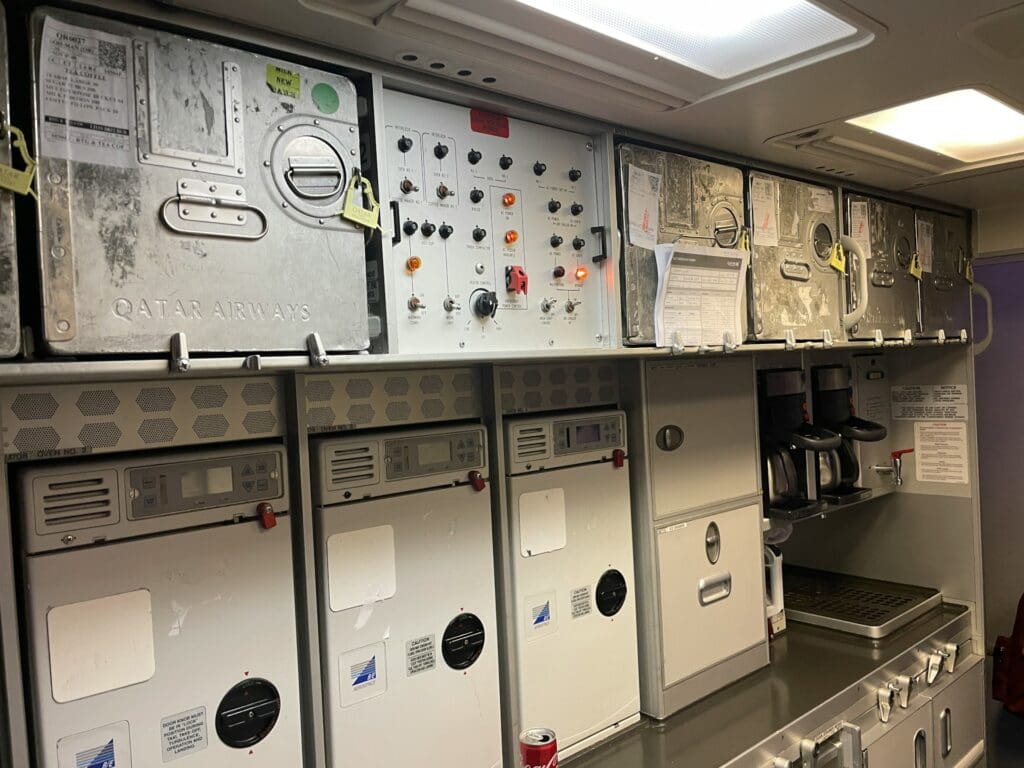
Once installation is complete, don’t rush to start full kitchen service. Take time to run each piece of equipment through a performance test. This includes heating elements, temperature accuracy, airflow, and refrigeration cycles. Testing ensures that everything runs as intended before your staff begins regular service.
Technicians from C&C Refrigeration calibrate systems after installation to match manufacturer specifications. Any final adjustments—such as temperature thresholds or ignition sequences—can be completed before the equipment is in daily use. This extra step helps prevent issues during your next busy lunch or dinner service.
New equipment can improve efficiency, but only if your team understands how to use it correctly. Take the time to train your staff on startup, shutdown, cleaning, and troubleshooting procedures. This prevents early wear and tear and helps avoid accidents.
After installation, ask for a walk-through of key features and maintenance tips. Staff should know how to clean grease traps, replace filters, and identify warning signs. C&C Refrigeration provides equipment insights and support so your team can confidently manage their new tools.
Reno and other Northern Nevada jurisdictions may require permits, inspections, or specific guidelines for commercial kitchen installations. Review local codes related to fire suppression, ventilation, grease disposal, and energy use. Make sure your installer understands these requirements as well.
C&C Refrigeration works with local authorities to ensure all installations comply with health and safety codes. Permits and inspections can take time, so factor them into your project timeline. Missing this step can delay your opening or result in penalties.
High-quality equipment and parts contribute directly to your kitchen’s longevity and reliability. Equipment from well-known brands often comes with warranties and support that protect your investment. Don’t cut corners on fittings, seals, or control panels—every part plays a role in long-term performance.
C&C Refrigeration uses industry-recommended components and installation practices to ensure your equipment works the way it should. Choosing durable parts reduces the chance of frequent repairs or premature failure, especially in high-volume kitchens.
Your job doesn’t end once the equipment is installed. Regular maintenance extends the life of your systems and prevents costly breakdowns. Schedule follow-up service to clean filters, inspect electrical components, and test sensors.
C&C Refrigeration offers custom maintenance plans that fit your operation’s size and needs. These visits help identify wear early and allow for replacement before performance suffers. Planning for maintenance now means fewer emergency calls and better uptime throughout the year.