Menu
close
When it comes to commercial cooling systems, glycol systems offer a popular and efficient choice. Whether you're in the food and beverage industry, pharmaceutical manufacturing, or hospitality, understanding glycol systems and their benefits helps you make informed decisions for your business. In this article, we'll explore the principles and advantages of glycol systems, tailored specifically for businesses in Reno seeking reliable cooling solutions.

A glycol system uses glycol as a heat transfer fluid to maintain cooling. Glycol, a type of antifreeze, mixes with water and circulates through the system to absorb and dissipate heat. This method ensures consistent temperatures, which remain crucial in various commercial applications. Industries requiring precise temperature control and stability commonly use glycol systems.
Glycol serves as a versatile substance for many commercial cooling applications due to its unique properties. It prevents freezing and overheating, helping the cooling system operate efficiently across a wide temperature range. By circulating the glycol mixture through pipes and heat exchangers, the system maintains optimal temperatures in storage tanks, fermentation vessels, and other equipment.
Commercial cooling systems rely on two primary types of glycol: Ethylene Glycol and Propylene Glycol. Each type delivers specific advantages and applications.
Ethylene Glycol functions as a highly effective heat transfer fluid commonly used in industrial applications. It offers excellent thermal conductivity and cost-efficiency. However, its toxicity requires careful handling, making it ideal for closed-loop systems with no exposure risk.
Propylene Glycol provides a non-toxic, food-grade option, making it ideal for the food and beverage industry and sectors where human exposure might occur. Although less efficient in heat transfer compared to Ethylene Glycol, its safety benefits often outweigh this limitation.
Several key components work together in a glycol cooling system to maintain optimal temperatures.
Pumps circulate the glycol mixture through the system. They ensure steady fluid flow, enabling efficient heat transfer and consistent temperature maintenance.
Chillers remove heat from the glycol mixture. They play a vital role in the cooling process, preparing glycol to absorb more heat from the equipment being cooled.
Mixers blend glycol with water in proper proportions. Proper mixing ensures system efficiency and optimal heat transfer through the right glycol-to-water balance.
Glycol systems deliver several advantages, making them a top choice for commercial cooling applications.
Glycol systems maintain stable temperatures, even in demanding environments. Their ability to quickly absorb and dissipate heat makes them ideal for industries requiring precise temperature control.
Glycol systems provide consistent temperatures, which are essential for processes like fermentation in the beverage industry or storing temperature-sensitive pharmaceuticals.
While installing a glycol system may involve a higher upfront cost compared to other cooling methods, it offers substantial long-term savings. Glycol systems last longer and require less maintenance, reducing operational costs. Their efficiency also contributes to significant energy savings.
If you're considering adding a glycol system to meet your commercial cooling needs in Reno, C & C Refrigeration can help. Our team of experts offers personalized consultations to identify the best glycol system for your requirements. Contact us today to schedule a consultation. Let us help you enhance cooling efficiency and reliability.
Maintaining a comfortable and productive environment in commercial spaces is crucial for business operations. One key element that ensures this comfort is a well-functioning air conditioning system. However, like all mechanical systems, commercial air conditioners can encounter issues. Understanding these common problems and knowing how to address them can save you time and money. In this article, we will explore typical commercial air conditioning problems and their solutions, helping you keep your Reno business cool and comfortable.
Regular maintenance is essential for the longevity and efficiency of your commercial air conditioning system. Inadequate maintenance can lead to a host of problems, including reduced efficiency, higher energy bills, and unexpected breakdowns.
Solution: Establish a routine maintenance schedule with a professional HVAC service provider. Regular inspections, cleaning, and servicing of components such as filters, electric contactors, capacitor fan motors, coils, and fins will ensure your system operates efficiently. Preventive maintenance helps identify potential issues before they become major problems, saving you from costly repairs and downtime.
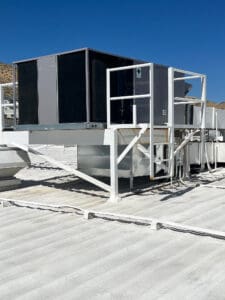
Refrigerant is the lifeblood of your air conditioning system. It absorbs and releases heat to provide cooling. Low refrigerant levels due to leaks can significantly impact the system's efficiency and cooling capacity.
Solution: If you suspect a refrigerant leak, contact a professional HVAC technician immediately. The technician will locate and repair the leak, then recharge the system with the appropriate amount of refrigerant. Regular maintenance checks can also help detect leaks early and prevent major issues.
Commercial air conditioning systems produce condensation as they cool the air. This moisture needs to be properly drained away. Clogged or improperly installed drainage systems can cause water damage and affect the air conditioner's performance.
Solution: Ensure that the condensate drain is clear and properly connected. Regularly inspect and clean the drainage system to prevent clogs. If you notice water pooling around your air conditioning unit, it’s best to call in a professional to address the issue.
Commercial air conditioners often use sensor thermostats to monitor and adjust the temperature. If a sensor is malfunctioning or misplaced, it can cause the system to cycle constantly or behave erratically.
Solution: Sensor issues typically require professional diagnosis and repair. An HVAC technician can recalibrate or replace faulty sensors to ensure your system operates correctly. Proper sensor placement and regular maintenance can prevent these issues.
When it comes to maintaining and repairing commercial air conditioning systems in Reno, C & C Refrigeration is your go-to expert. We offer comprehensive HVAC services tailored to meet the unique needs of your business. Our experienced technicians are equipped to handle all types of commercial air conditioning problems, ensuring your system runs efficiently and reliably.
For professional assessment and repair of your air conditioning unit, contact C & C Refrigeration today. Visit our website or call us to schedule a consultation. Our expert team is ready to help you maintain a comfortable and productive business environment.
Maintaining a commercial heating system is crucial for any business in Reno. Not only does regular maintenance ensure efficient operation, but it also extends the life of your system, saving you money in the long run. In this article, we will explore the importance of regular maintenance, the specific tasks involved, the benefits of professional vs. DIY maintenance, and the cost-effectiveness of investing in regular upkeep.
Regular maintenance is essential to keep your commercial heating system running smoothly. A well-maintained system operates more efficiently, reducing energy consumption and lowering utility bills. It also helps to prevent unexpected breakdowns that can disrupt your business operations.
Improved Efficiency: Regular maintenance ensures that your heating system operates at peak efficiency. Clean filters, properly calibrated thermostats, and well-lubricated parts reduce energy consumption, leading to significant savings on your energy bills.
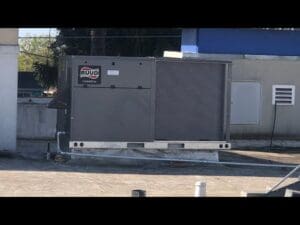
Extended Lifespan: Regular maintenance helps identify and address minor issues before they become major problems. This proactive approach extends the lifespan of your commercial heating system, ensuring that you get the most out of your investment.
Several specific tasks should be performed regularly to maintain your commercial heating system effectively. Cleaning & inspection of heat exchanges is something our team is trained to do. Each task has unique benefits that contribute to the overall efficiency and longevity of the system.
Filter Replacement: Replacing or cleaning filters is a simple yet crucial task. Dirty filters restrict airflow, causing the system to work harder and consume more energy. Regular filter maintenance ensures optimal airflow and efficiency.
Thermostat Calibration: Properly calibrated thermostats ensure accurate temperature control, preventing the system from overworking. This reduces wear and tear, saving energy and extending the system's lifespan.
Lubrication of Moving Parts: Lubricating moving parts such as motors, bearings, and fans reduces friction, preventing premature wear. This simple maintenance task keeps the system running smoothly and quietly.
While some maintenance tasks can be performed by the business owner, others require professional expertise. Understanding the difference is crucial to maintaining the system's efficiency and safety.
DIY Maintenance: Simple tasks like replacing filters and checking thermostats can be handled by the business owner. Regularly inspecting the system for visible issues and keeping the area around the equipment clean are also DIY tasks that contribute to the system's longevity.
Professional Maintenance: Hiring a professional for more complex tasks such as system tune-ups, electrical inspections, and in-depth cleaning is essential. Professionals have the expertise and tools to identify and address potential issues that a business owner might overlook.
Investing in regular maintenance may seem like an added expense, but it is cost-effective in the long run. The benefits far outweigh the costs, leading to substantial savings over time.
Reduced Repair Costs: Regular maintenance helps prevent major breakdowns, reducing the need for costly repairs. Addressing minor issues early on prevents them from escalating into expensive problems.
Energy Savings: A well-maintained system operates more efficiently, consuming less energy. This results in lower utility bills, providing immediate savings that add up over time.
Extended System Lifespan: Regular maintenance extends the life of your heating system, delaying the need for expensive replacements. This ensures that you get the most value out of your investment.
Regular maintenance is crucial for the efficiency, longevity, and cost-effectiveness of your commercial heating system in Reno. By understanding the importance of maintenance, performing specific tasks, and knowing when to call a professional, you can ensure that your system operates smoothly and efficiently for years to come.